
14 instrument types · Industrial instruments
Flow Instruments
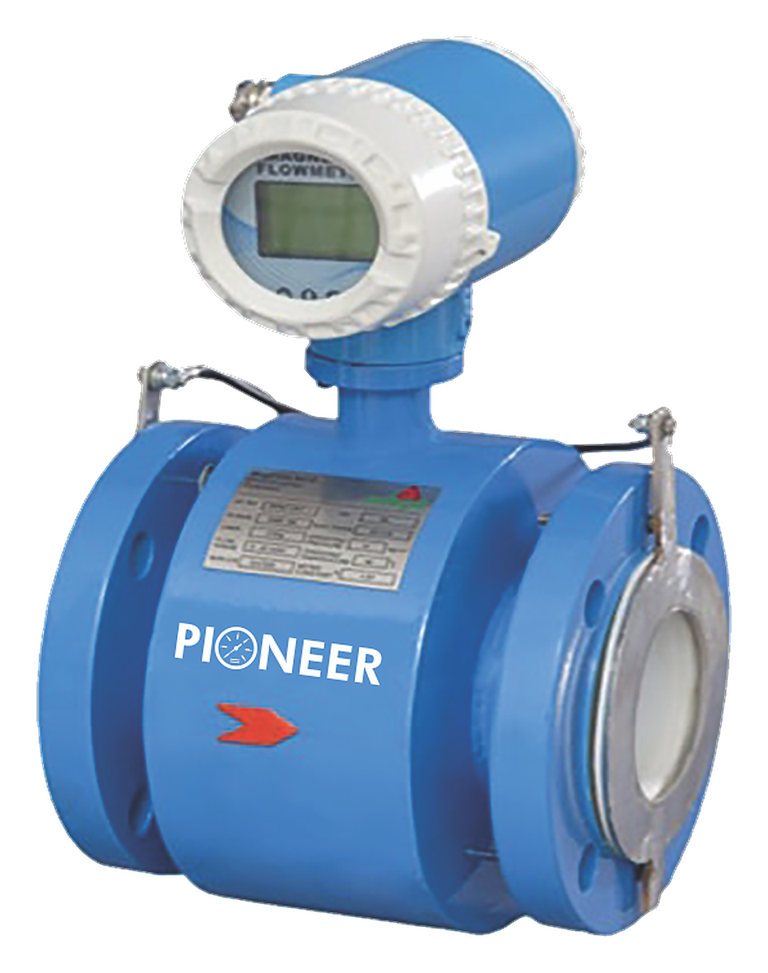
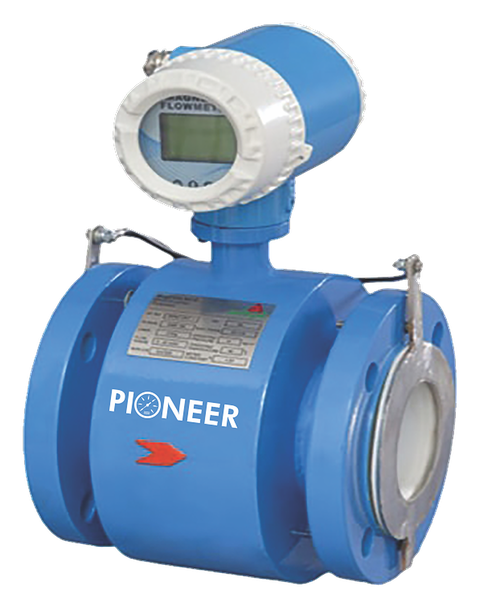
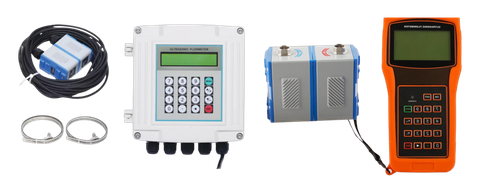
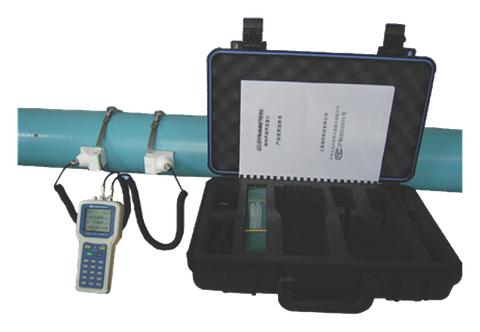
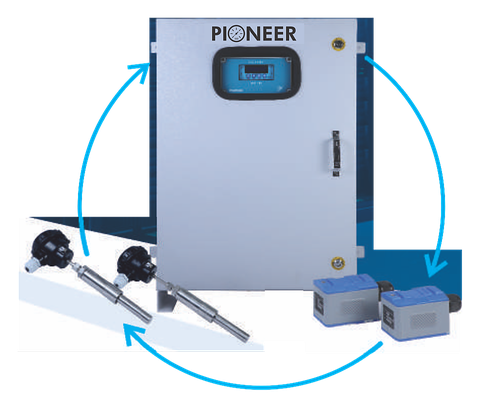
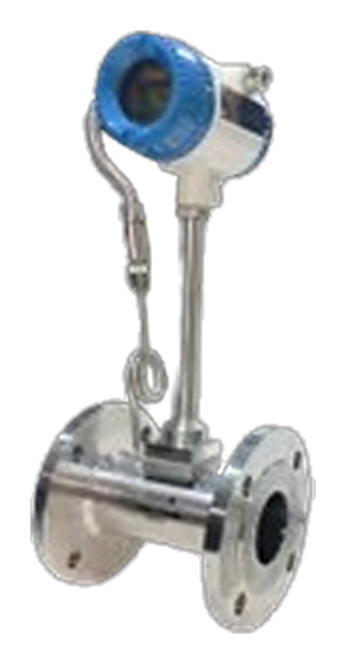
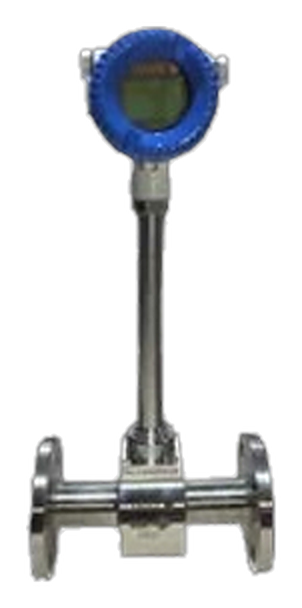
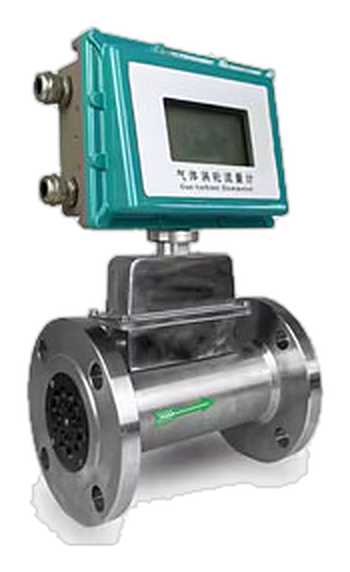
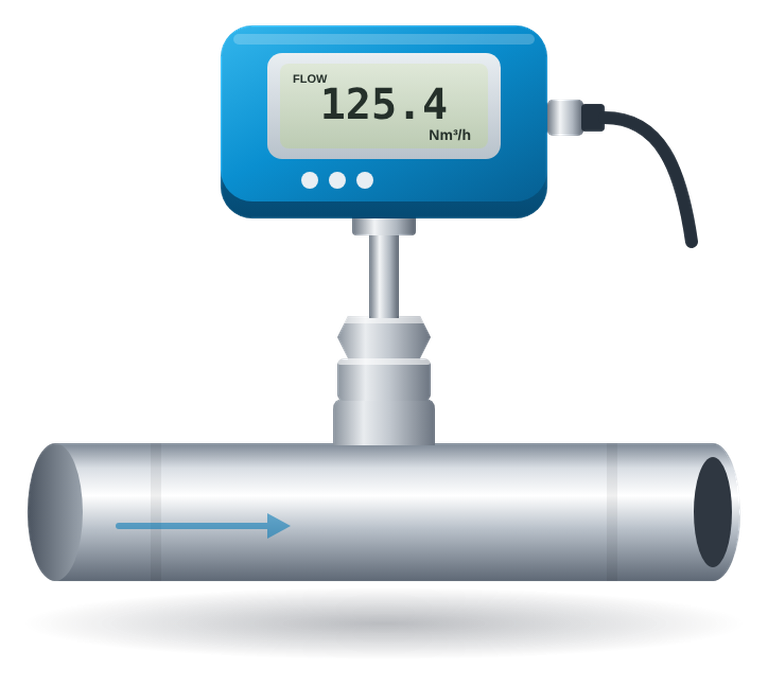
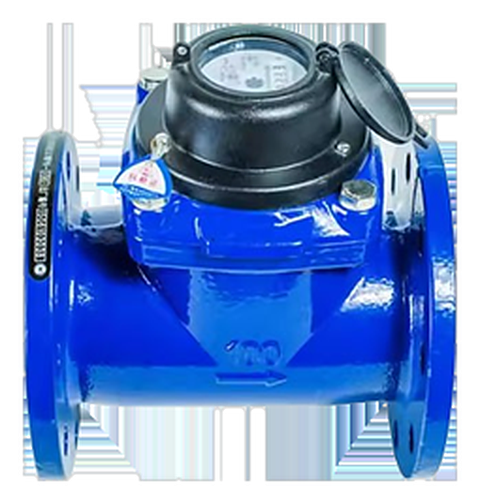
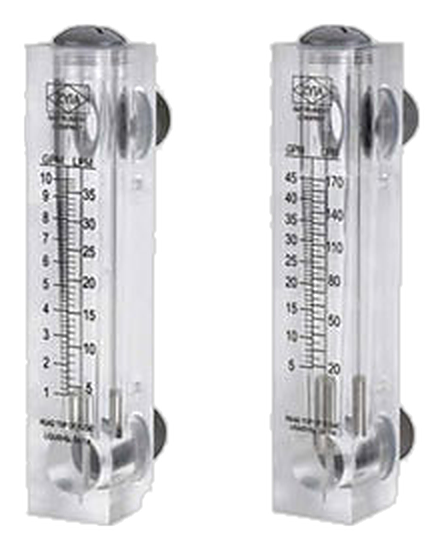
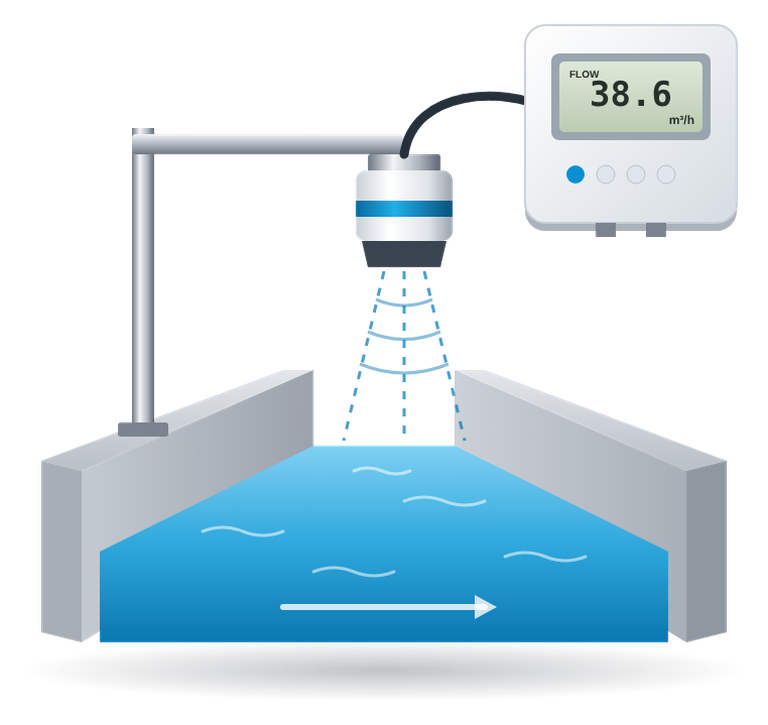
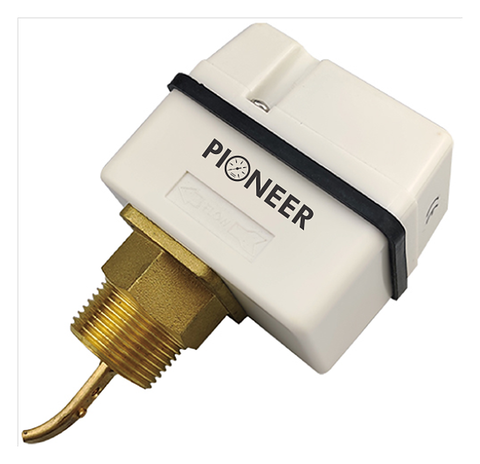
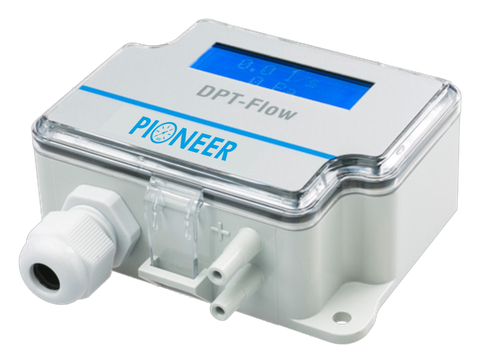
Pioneer supplies flow instruments for liquids, gases, steam and air: electromagnetic flowmeters (DN 10–2000), clamp-on and portable ultrasonic flowmeters, ultrasonic BTU meters, vortex, mass and turbine meters, gas and compressed air meters, mechanical water meters, rotameters, open channel flowmeters, flow switches and duct air flow probes. Each is selected to the fluid, pipe size, flow range and output the project needs.

Which to choose
Match the job to the instrument.
A quick guide. Send your data sheet and we will confirm the model.
| If you need to… | Choose |
|---|---|
| Meter water, effluent or conductive chemicals in a closed pipe | Electromagnetic flowmeter, DN 10–2000, ±0.5% of reading |
| Add a permanent meter to a live pipe without cutting it | Clamp-on ultrasonic flowmeter, 15–4570 mm pipes |
| Bill or monitor chilled water or hot water energy | Ultrasonic BTU meter with PT100 pair, Modbus or BACnet |
| Measure steam, compressed air, gases or non-conductive liquids | Vortex flowmeter |
| Batch or dose by weight, or measure where density varies | Coriolis or thermal mass flowmeter |
| Measure STP or ETP discharge in a channel | Ultrasonic open channel flowmeter with Parshall flume or weir |
| Prove flow for a chiller or protect a pump | Paddle or diaphragm flow switch |
| Measure air volume in a duct or across a fan | Averaging air flow probe with DP flow transmitter |
Overview
How we supply flow instruments.
The right flowmeter depends first on the fluid. Conductive liquids such as water and effluent suit electromagnetic meters; non-conductive liquids, steam and gases need vortex, turbine, ultrasonic or mass meters; open channels need a flume or weir with an ultrasonic level sensor; and duct air needs an averaging pitot probe or velocity sensor.
Then check the flow range rather than the pipe size, the accuracy you need, the straight pipe available, and whether you need indication only, a totaliser, a 4–20 mA or pulse signal, or Modbus or BACnet to a BMS. For HVAC energy billing, a BTU meter combines a flowmeter with a supply and return temperature pair.
Send the fluid, line size, minimum, normal and maximum flow, pressure, temperature and required output, or the BOQ, and Pioneer will propose a suitable meter with datasheet, typically within 48 hours.
For consultants
Tender-ready clauses for every instrument in this category, ready to paste.
How do I choose the right type of flowmeter?
Start with the fluid. For water, effluent and other conductive liquids in full pipes, use an electromagnetic meter. For retrofits or non-conductive liquids, use clamp-on ultrasonic. For steam and gases, use vortex or thermal mass; for weight-based dosing, Coriolis. Then size on the actual flow range, check straight pipe available, and specify the output the BMS or PLC needs.
Why should a flowmeter be sized on flow rather than pipe size?
Every flowmeter has a minimum and maximum flow for its stated accuracy. Pipes are often sized for future demand or low pressure loss, so actual velocity can be low, and a full-size meter then works at the bottom of its range with poor accuracy or cut-off. Selecting from the minimum, normal and maximum flow often gives a meter one size smaller, with reducers.
How much straight pipe does a flowmeter need?
It depends on the technology. Pioneer's electromagnetic flowmeters need at least 5 diameters upstream and 3 downstream. Clamp-on ultrasonic meters typically need about 10 upstream and 5 downstream, and vortex meters 15 to 20 upstream or more after bends and valves. Coriolis meters usually need little or none. Where space is short, choose the technology accordingly.
Can Pioneer flowmeters connect to a BMS, PLC or SCADA?
Yes. Most meters offer a 4–20 mA output for flow rate, and many add pulse output for totalising and RS 485 Modbus RTU. Electromagnetic meters also have HART, GSM and GPRS options, and the ultrasonic BTU meter supports Modbus RTU, Modbus IP and BACnet IP. State the required signal and protocol in the enquiry so the right option is supplied.
What details should I send for a flowmeter quotation?
Send the fluid, line size and pipe material, minimum, normal and maximum flow, operating pressure and temperature, required accuracy, output or protocol, power supply, and any area classification. For ultrasonic meters, add wall thickness and lining; for open channels, the flume or weir type. With this, Pioneer typically quotes within 48 hours.
Other categories
More instruments.
- Pressure Instruments
- Temperature Instruments
- Level Instruments
- Environmental Monitoring
- Gas Detection & IAQ
- Specialty Instruments
Engineering guides
- 02
BTU meters for chilled water: selection and installation
A BTU meter (thermal energy meter) combines a flow sensor, a matched pair of temperature sensors and a calculator that integrates flow × temperature…
- 03
Electromagnetic vs ultrasonic flow meter: which to use
Choose an electromagnetic flowmeter when the liquid is conductive, the pipe can be cut and will always run full, and you want the best installed…
- 06
RTD vs thermocouple: how to choose a temperature sensor
Choose a Pt100 RTD for most measurements from about −200 °C to 600 °C where accuracy and long-term stability matter, such as HVAC water, process…