



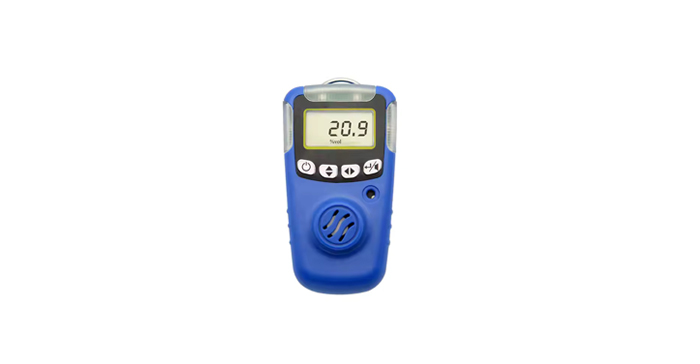
Oxygen Monitors : Ensure Safety and Optimize Processes
The Importance of Oxygen Monitoring
- Safety :
- Oxygen Deficiency : Low oxygen levels (hypoxia) can cause dizziness, unconsciousness, and even death. Monitoring is essential in confined spaces, industrial settings, and high-altitude environments.
- Oxygen Enrichment : High oxygen levels can increase the risk of fire and explosion.
- Process Control :
- Combustion Control : Optimizing combustion processes for efficiency and reduced emissions.
- Aeration : Monitoring oxygen levels in wastewater treatment and aquaculture.
- Industrial Processes : Controlling oxygen levels in various manufacturing processes
- Environmental Monitoring
Types of Oxygen Monitors
- Dissolved Oxygen (DO) Meters : Measure the
concentration of oxygen dissolved in water
- Optical DO Meters : Use fluorescence quenching to measure DO. Offer high accuracy, low maintenance, and are not affected by interfering substances.
- Galvanic DO Meters : Use an electrochemical reaction to measure DO.
- Polarographic DO Meters
- Gas - Phase Oxygen Analyzers : Measure the concentration of oxygen in air or other gas mixtures.
- Electrochemical Oxygen Sensors : Use a chemical reaction to generate a current proportional to the oxygen concentration.
- Zirconia Oxygen Sensors : Use a solid-state electrolyte to measure oxygen partial pressure. Suitable for high-temperature applications.
- Paramagnetic Oxygen Analyzers : Measure the magnetic susceptibility of oxygen.
Applications
- Confined space entry.
- Combustion Control
- Wastewater Treatment : Monitoring DO levels in aeration basins.
- Aquaculture : Maintaining optimal DO levels for fish and other aquatic life.
- Environmental Monitoring : Assessing water quality in rivers, lakes, and oceans.
- Medical :
- Industrial Safety : Monitoring oxygen levels in workplaces to prevent hypoxia or oxygen enrichment hazards.
Key Features to Consider
- Measurement Range : Choose a monitor with an appropriate range for your application.
- Accuracy : Consider the required accuracy level.
- Response Time :
- Temperature Compensation : Important for accurate DO measurements, as DO solubility is temperature-dependent.
- Salinity Compensation : Important for accurate DO measurements in saltwater.
- Calibration : Oxygen monitors require periodic calibration.
- Display : Look for clear display.
- Data Logging : Some models offer data logging capabilities.
Why Choose Pioneer Oxygen Monitors ?
Accurate and Reliable Measurement, Wide Selection, Durable Construction, User-Friendly Design, Expert Support, Competitive Prices
| Specification | Details |
|---|---|
| Type | Portable type |
| Customized Support | OEM, ODM, Oxygen Gas Detector |
| Warranty | 1 year |
| Model Number | HFP-1403 |
| Product Name | Portable Air Oxygen Measurement O2 Analyzer |
| Detecting Gas | Oxygen O2 |
| Display | Parallel or alternatively display input channels 1 to 3 |
| Measure Range | 0-30%VOL |
| Sensor | Electrochemical Sensor |
| Usage | Oxygen Gas Detection |
| Power Supply | Replaceable Lithium Battery |
| Response Time | 30s |
| Sampling Method | Natural Diffusion |
| Alarm Type | Vibration + Sound + Light Alarm |
| Keyword | Portable Oxygen Analyzer |