Flow Instruments · FT
Mass Flowmeters — Coriolis and Thermal Mass Flow Meters
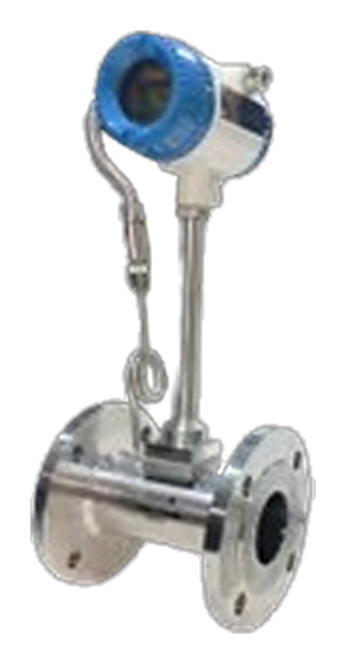
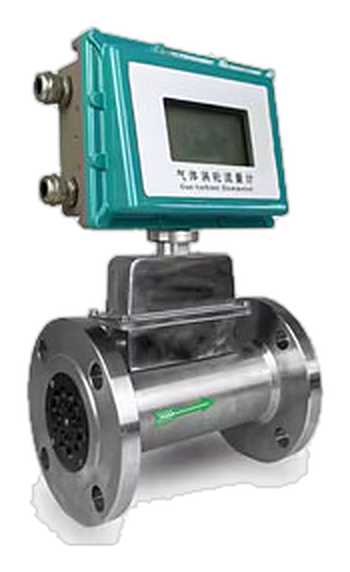
A mass flowmeter measures mass flow (kg/h) directly, so readings are not affected by changes in density from temperature or pressure. Pioneer supplies mass flowmeters for liquids with stainless steel construction, flanged ends, digital display, 4–20 mA output, 24 V DC supply and IP67 protection, in Coriolis and thermal mass types to suit the duty.
- Output: 4–20 mA
- End connection: Flanged
- Protection class: IP67
Overview
What it does and where it fits.
A Coriolis meter passes the fluid through vibrating tubes. Flow causes a twist in the tubes proportional to mass flow, and the vibration frequency gives density. It measures liquids and gases, including viscous, non-conductive and multi-component fluids, with no straight-run requirement in most designs.
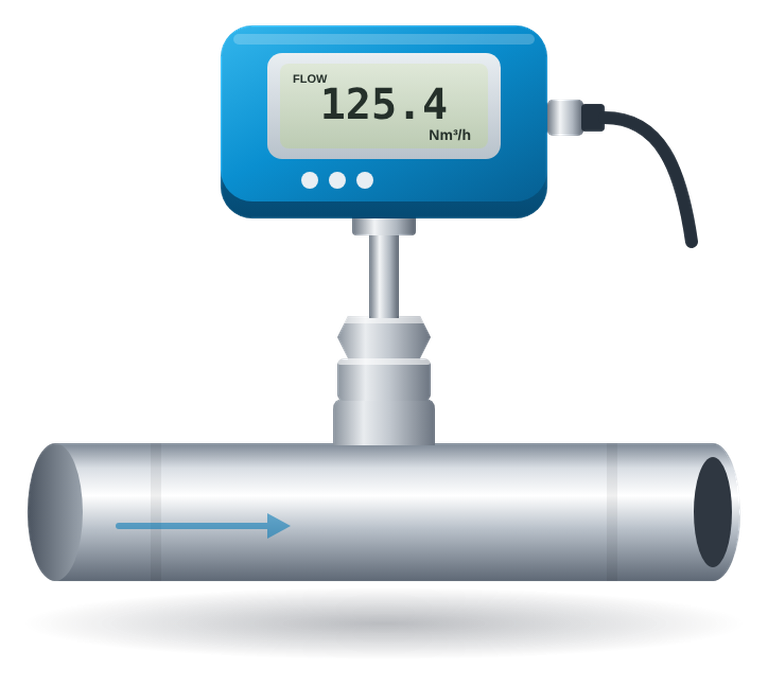
A thermal mass meter heats a sensor in the gas stream and measures how much heat the flowing gas carries away, which depends on mass flow. It is well suited to clean, dry gases at low flow, such as compressed air, nitrogen and process gases, at lower cost than Coriolis.
Mass flow is what matters in reactions, combustion and batching, where ingredient ratios are by weight. Send the fluid, density, viscosity, flow range, pressure and temperature to size the meter correctly.
Types
- Coriolis mass flowmeterDirect mass flow and density for liquids and gases; highest accuracy, higher cost, sensitive to pipe vibration.
- Thermal mass flowmeterMass flow of clean, dry gases; good at low flows, lower cost, affected by changes in gas composition.
Features
- Direct mass flow, independent of density changes
- Coriolis meters also measure density
- Stainless steel construction
- Flanged end connections
- Digital display
- 4–20 mA output
- 24 V DC power supply
- IP67 protection
Applications
- Chemical dosing, batching and blending by weight
- Liquid LPG and hydrocarbon transfer
- Food and beverage ingredient measurement
- Pharmaceutical process fluids
- Specialty and process gases (thermal mass)
- Research and pilot plants
Specifications
Spec table.
Standard ranges and materials. Tell us your medium, range and connection and we will match the model.
| Parameter | Value |
|---|---|
| Material | Stainless steel |
| Media | Liquids |
| End connection | Flanged |
| Display | Digital |
| Output | 4–20 mA |
| Power supply | 24 V DC |
| Protection class | IP67 |
| Country of origin | Made in India |
Accuracy, size, flow range and pressure rating depend on the model selected for the duty. Thermal mass meters for gases on request.
For consultants
Consultant spec clause.
Paste it into your technical specification or BOQ, then adjust ranges and quantities to your schedule.
1. Flowmeter shall be of Coriolis (thermal mass, for gases) type measuring mass flow directly, independent of fluid density, suitable for the specified liquid.
2. Meter size shall be selected for the specified minimum, normal and maximum flow with acceptable pressure drop at the fluid viscosity.
3. Wetted parts shall be stainless steel, with flanged end connections rated for the specified process pressure and temperature.
4. Transmitter shall have a digital display of mass flow and totaliser, with 4–20 mA output, powered by 24 V DC.
5. Enclosure protection shall be IP67.
6. Meter shall be installed on supported pipework, isolated from pump vibration, with the tubes kept full of liquid.
7. Each meter shall be supplied with a manufacturer's calibration certificate and installation manual.
Make: Pioneer Industrial Instruments, Pune, or approved equivalent.
When should I use a mass flowmeter instead of a volumetric meter?
Use a mass flowmeter where the quantity that matters is weight, such as batching, reactions, blending and custody transfer, or where density varies with temperature, pressure or composition. A volumetric meter on such fluids needs density compensation, which adds error. For plain water or effluent metering, a volumetric meter such as a magmeter is simpler and cheaper.
Coriolis or thermal mass: which do I need?
Coriolis meters measure liquids and gases, including viscous and non-conductive fluids, with the highest accuracy, and also give density, but they cost more. Thermal mass meters are for clean, dry gases, especially at low flows such as compressed air, nitrogen and process gas, and are cheaper. Changes in gas composition affect thermal meters but not Coriolis meters.
Does a Coriolis meter need straight pipe runs?
Most Coriolis designs are not sensitive to the flow profile, so long straight runs are generally not needed. What matters is mounting: support the pipework on both sides, keep the meter away from pump and machinery vibration, and keep the tubes full of liquid, with no trapped gas, to avoid zero drift and unstable readings.
Why does a Coriolis meter need zeroing?
A Coriolis meter measures a very small tube twist, so mounting stresses and temperature can shift its zero. After installation, fill the meter with process fluid, stop flow completely with a downstream valve, and run the zero routine. Re-zero if the pipework is disturbed or process temperature changes significantly. A poor zero causes the largest errors at low flow.
Related